
10 Ways to Preserve the Flavours of Summer
There’s something about summer food that just hits different. Maybe it’s the first tomato that actually tastes like a tomato, a basket of wild blueberries still warm from the sun, or sweet corn that barely needs butter. Here in Atlantic Canada, summer may be short, but when the gardens, markets and roadside stands get going, they really get going.
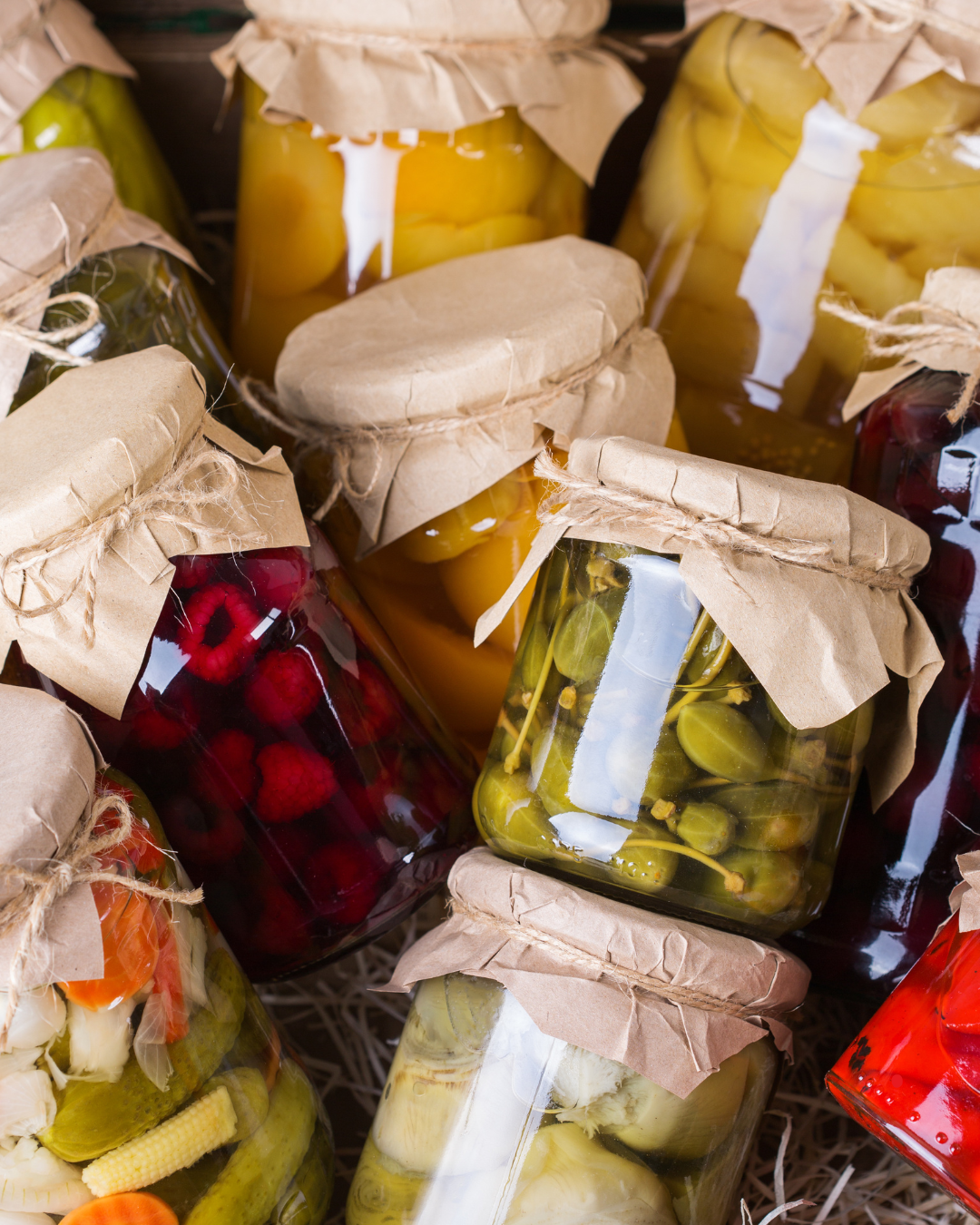
The trick is figuring out how to hang onto some of those flavours once the days get shorter. Preserving doesn’t have to mean spending an entire weekend surrounded by Mason jars either. Some methods are incredibly simple, and even doing a little bit now can make a January supper taste a whole lot more like August.
1. Freeze Your Berries
Wild blueberries, strawberries, raspberries and blackberries all freeze beautifully. Spread them out on a baking sheet first, freeze them individually, then transfer them into freezer bags or containers. That way you don’t end up with one giant frozen berry brick.
Come winter, they’re ready for smoothies, crisps, sauces, muffins or a warm compote spooned over pancakes.
2. Make Tomato Sauce
When tomatoes are everywhere and reasonably priced, that’s the time to make sauce. Roast them with onions, garlic and herbs, then blend everything together and freeze it in portions.
It doesn’t have to be complicated. A simple summer tomato sauce in February will beat most things coming out of a jar.
3. Pickle Almost Anything
Cucumbers are the obvious choice, but don’t stop there. Beans, carrots, radishes, onions, cauliflower and even green tomatoes are fantastic pickled.
Quick refrigerator pickles are especially easy and don’t require a full afternoon of canning. That little hit of acidity is brilliant alongside sandwiches, burgers, charcuterie or a heavy winter meal.
4. Freeze Fresh Herbs
Fresh herbs can disappear quickly once the weather turns. Chop parsley, basil, cilantro, dill or chives and freeze them in small containers, freezer bags or ice cube trays.
You can also freeze herbs with a little olive oil. Drop a cube into a soup, sauce or skillet and suddenly supper has a little taste of the garden again.
5. Turn Fruit Into Jam
Jam is one of the oldest tricks in the book for a reason.
Strawberries, wild blueberries, raspberries, peaches and plums can all become something worth spreading on toast months later. And don’t be afraid to play around a little—add citrus, herbs, spices or even a splash of maple syrup.
Homemade jam also makes a great little gift, assuming you’re willing to give any of it away.
6. Freeze Corn Off the Cob
Fresh local corn is hard to beat, and luckily it freezes extremely well.
Blanch the cobs briefly, cool them down and cut off the kernels. Freeze them in meal-sized portions and you’ve got summer corn ready for chowders, salads, casseroles, succotash and side dishes all winter.
Trust me, you’ll be happy you did this come January.
7. Make Pesto
If your basil plant has suddenly turned into a small tree, pesto is your friend.
Make a batch and freeze it in small portions. You can use it for pasta, grilled chicken, seafood, sandwiches, pizza or stirred into soups.
And pesto doesn’t have to be just basil. Try parsley, arugula, spinach or even carrot tops. A little experimenting can save something that might otherwise end up in the compost.
8. Preserve Peaches, Pears and Other Tree Fruit
Summer and early fall fruit can disappear before you know it. Slice peaches, pears, plums or nectarines and freeze them for baking later.
They’re perfect for pies, crisps, cobblers and sauces.
You might not want to eat a thawed peach straight from the freezer, but put it underneath a buttery crisp topping in the middle of winter and nobody’s complaining.
9. Make Chutneys and Relishes
This is where you can really have some fun.
Tomato relish, corn relish, fruit chutneys and chow-style preserves are fantastic ways to use up a glut of produce. They also pair beautifully with grilled meats, seafood, cheese boards and sandwiches.
A good chutney can take something as simple as a pork chop and make it feel like you actually planned supper.
10. Don’t Forget the Freezer
Sometimes we make preserving sound much harder than it needs to be.
You don’t necessarily need to can 48 jars of something. Freeze chopped peppers. Freeze sliced rhubarb. Freeze green beans. Freeze roasted tomatoes. Freeze portions of fruit.
Even a few bags tucked away can save you money and give you something local to reach for when fresh summer produce is long gone.
Summer in Atlantic Canada never seems to stick around quite long enough, which might be exactly why we appreciate it so much. Preserving some of what’s growing around us isn’t just about saving food—it’s about saving a little bit of the season.
And there’s something pretty satisfying about opening the freezer or cracking open a jar in the middle of a snowstorm and getting a taste of August all over again.
Leave A Comment